The PhD Pod
The PhD Pod is a podcast by UCAPS, the PhD association at the University of Copenhagen. Each episode explores diverse scientific topics such as permafrost, plant-based meat, and church history, while also delving into PhD life, including the challenges of fieldwork and the importance of work-life balance. The show aims to bring the people behind the science to the foreground. It is hosted and produced by Miriam Beyers, Louise Morlot, and Jacopo Munaretto, with editing by Davide Visintainer.
Episoder
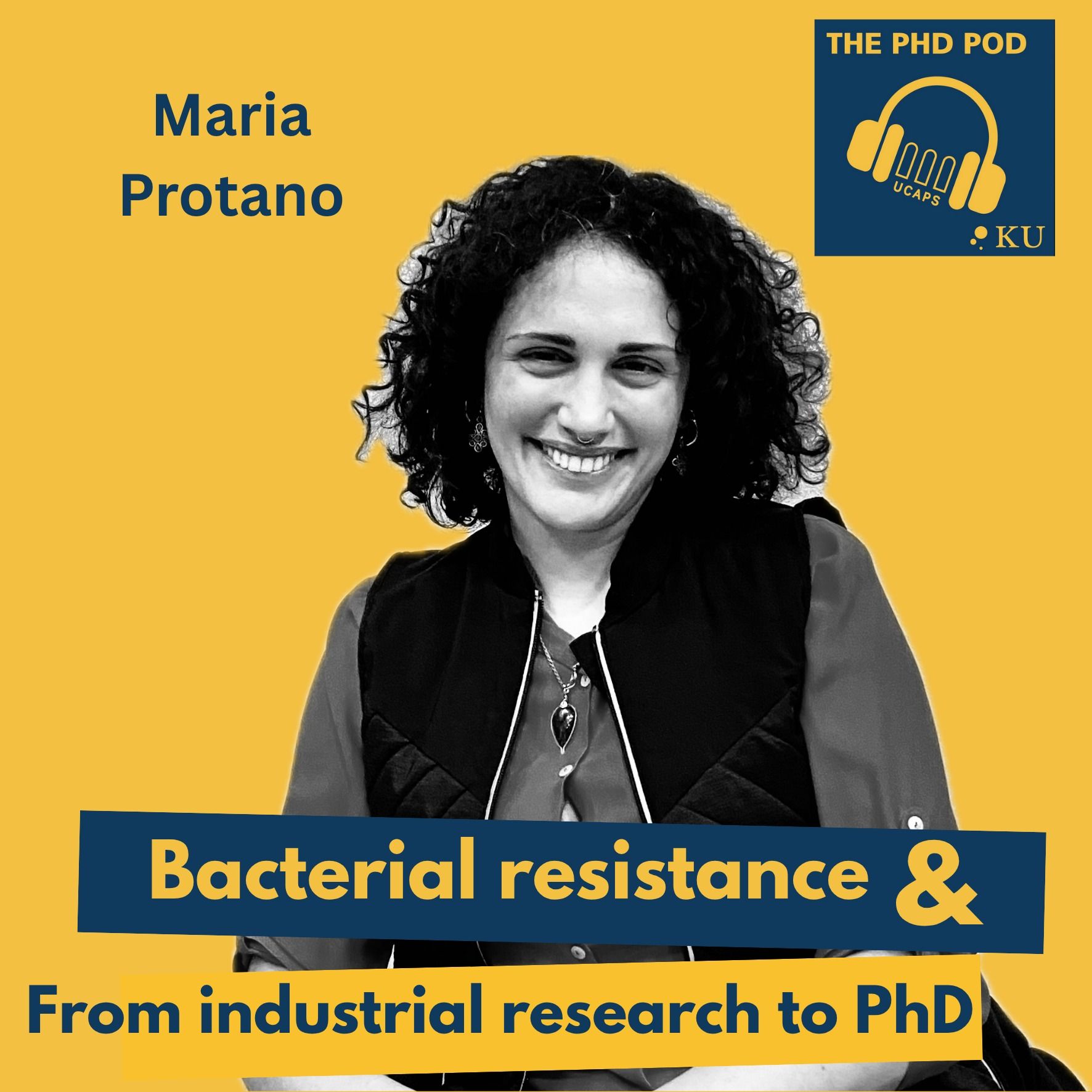
Evolution of bacterial resistance & the transition from industrial research to a PhD
When humans develop a new therapy to fight potentially dangerous bacteria, they, in turn, might be able to generate new strategies to counteract our medicines. Maria explains how the evolution of the bacterial defence mechanisms occurs and how much we should worry about. In the second part of the interview, she describes her transition from a well established laboratory research job in the private
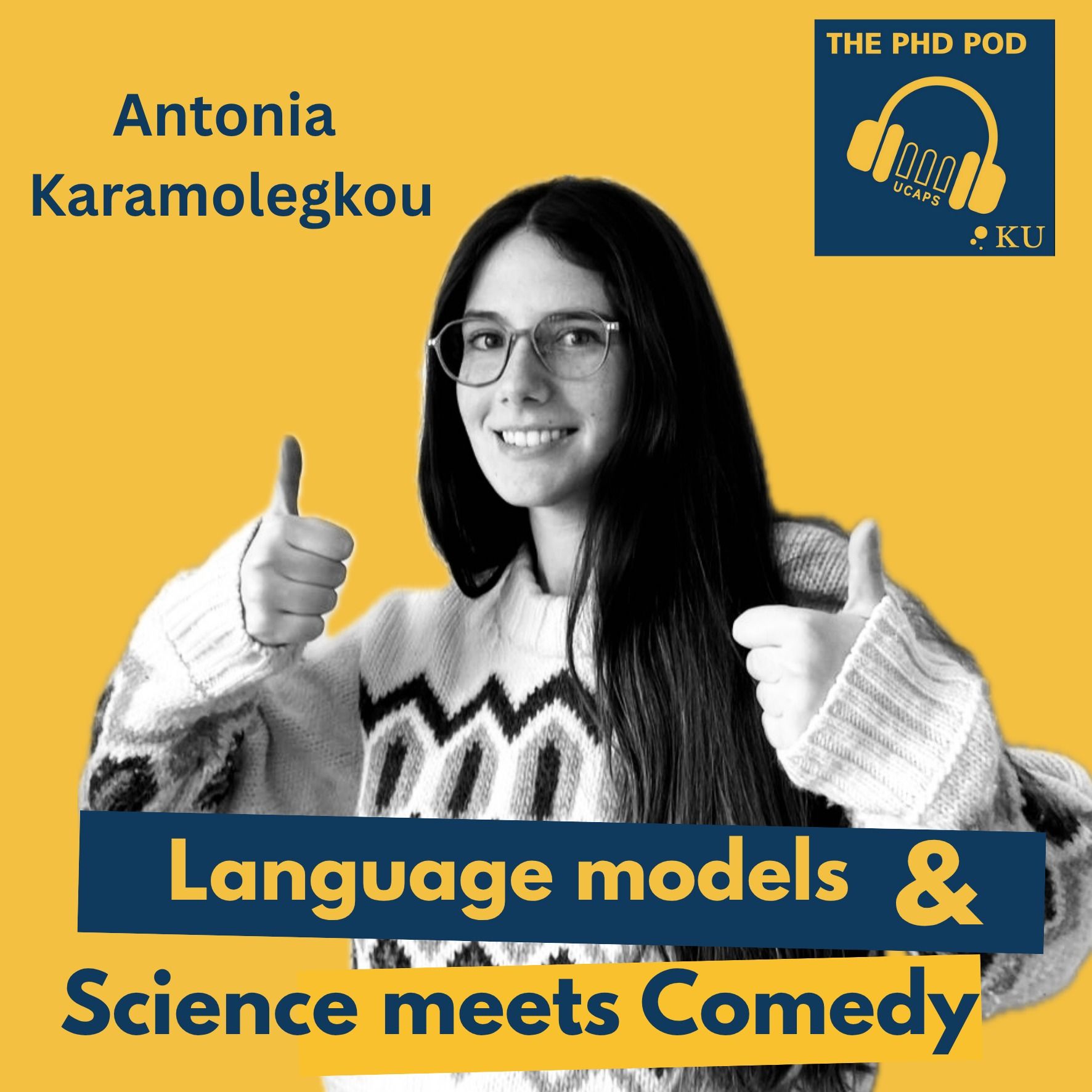
Natural language processing (NLP) & science-based comedy
What are the possible applications of language models (such as the famous chatGPT)? In this episode, Antonia talks us through how text documents can be “mined” by machine learning algorithms, the ethical consideration of their use, and how analysing language can reveal medical insights for some brain conditions. Additionally, she tells us her involvement in a collective that communicates science v
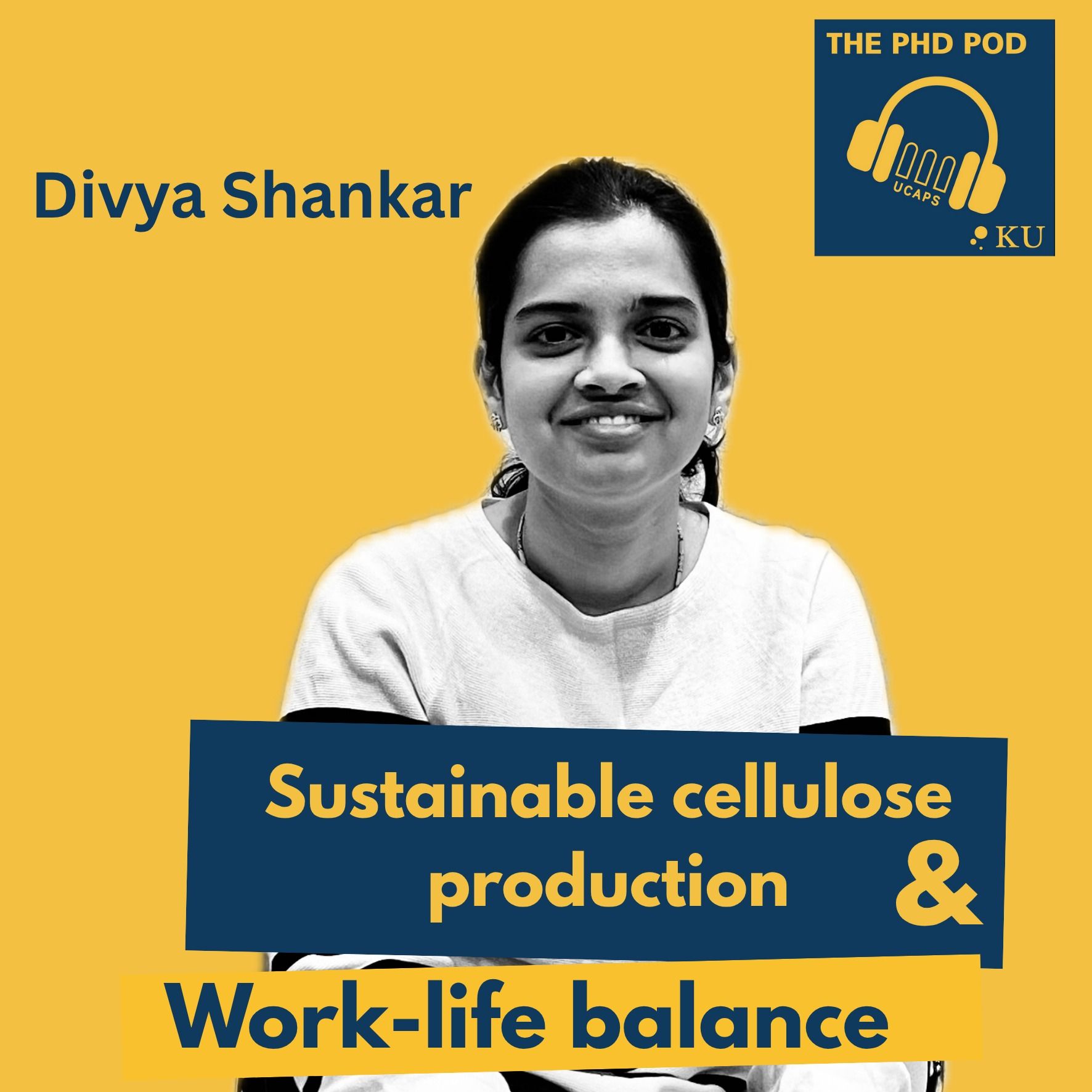
Sustainable cellulose production & Work-life balance
Cellulose is used everywhere today, from textile to food production, cosmetics and pharmaceuticals. Divya explains how we can make cellulose in a sustainable way from microbes by using ocean water instead of fresh water, the scientific challenges of this production and the socio-economics aspects of her project. We also discuss work-life balance as a PhD student, how to maintain it and what to do
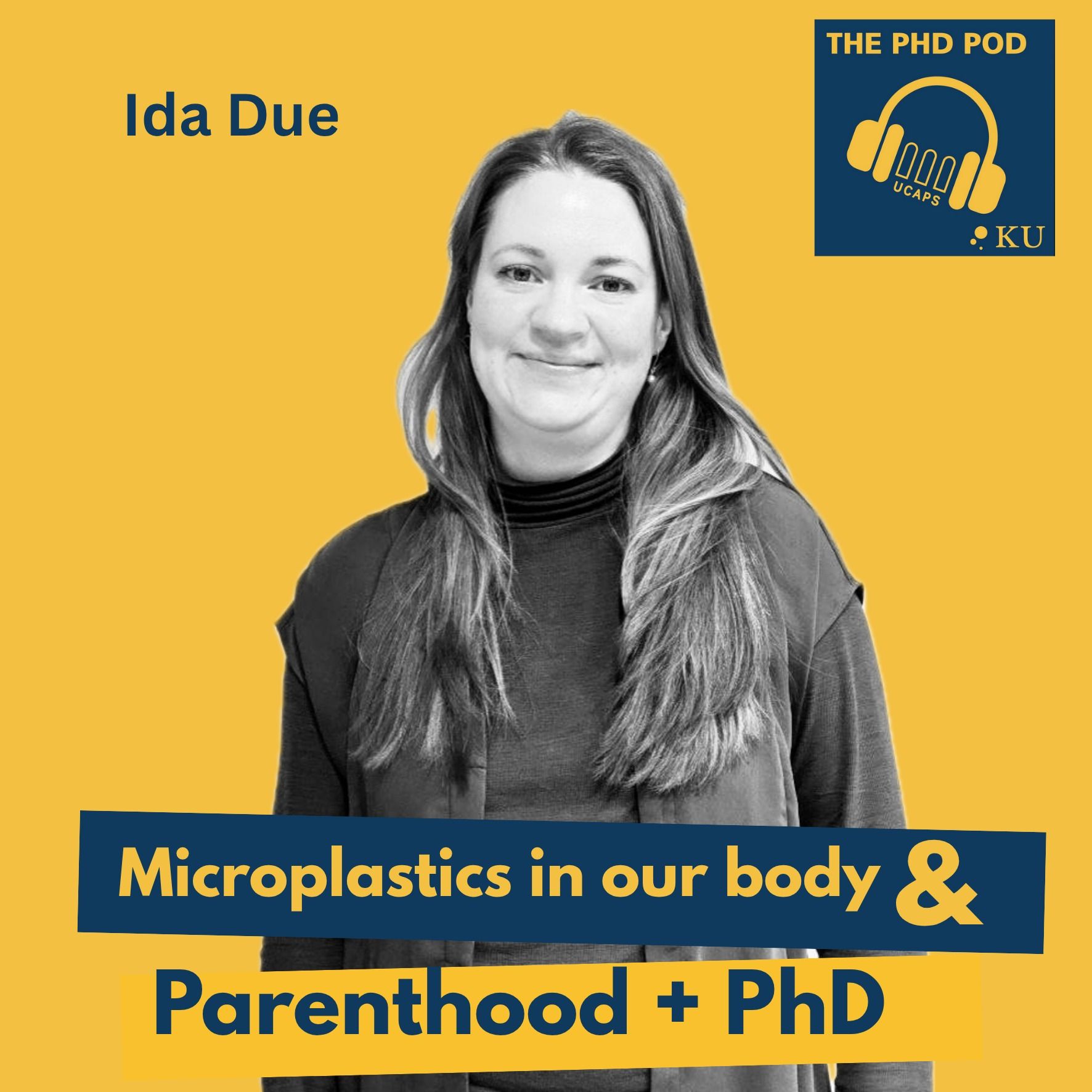
Microplastics in our body & Parenthood + PhD
What are microplastics and nanoplastics and what are their effects on our bodies? In this episode, Ida tells us about her research on these plastics, the ways they can be degraded and how to evaluate the risk they cause for our environment and our health. We also talk about Ida’s reflections on the gender gap in academic research and her involvement with WiES at DTU. Finally, we discuss Ida’s expe
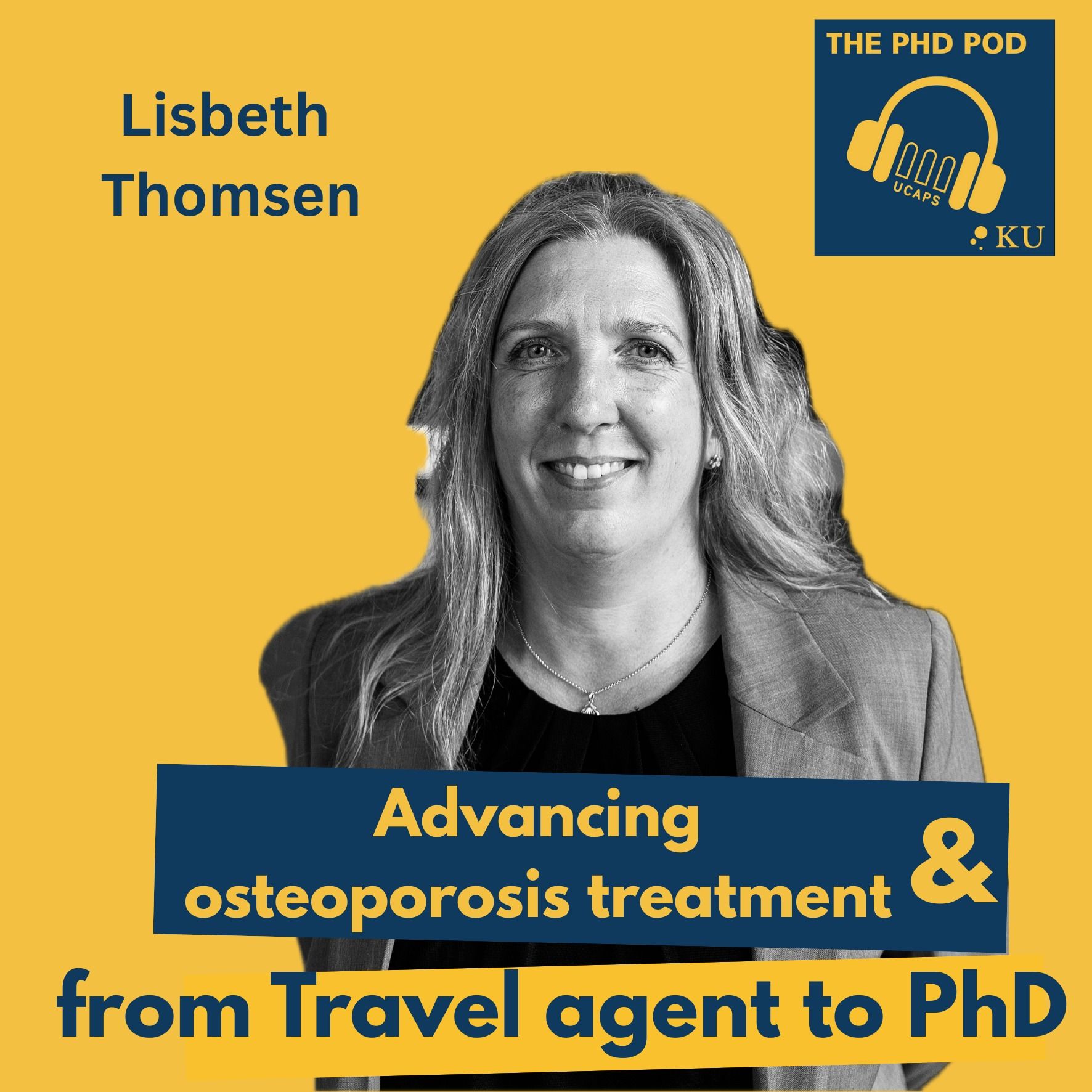
Advancing osteoporosis treatment & a PhD after being a travel agent
In this episode, Lisbeth tells us about her research on osteoporosis and how certain medications can be used to rebuild the bone. What are the effects of these medications on the cells inside the bone? And how can these treatments be improved? We also talk about her path to research and how she decided to start a PhD after her professional career as a traveling agent.This episode has been hosted b
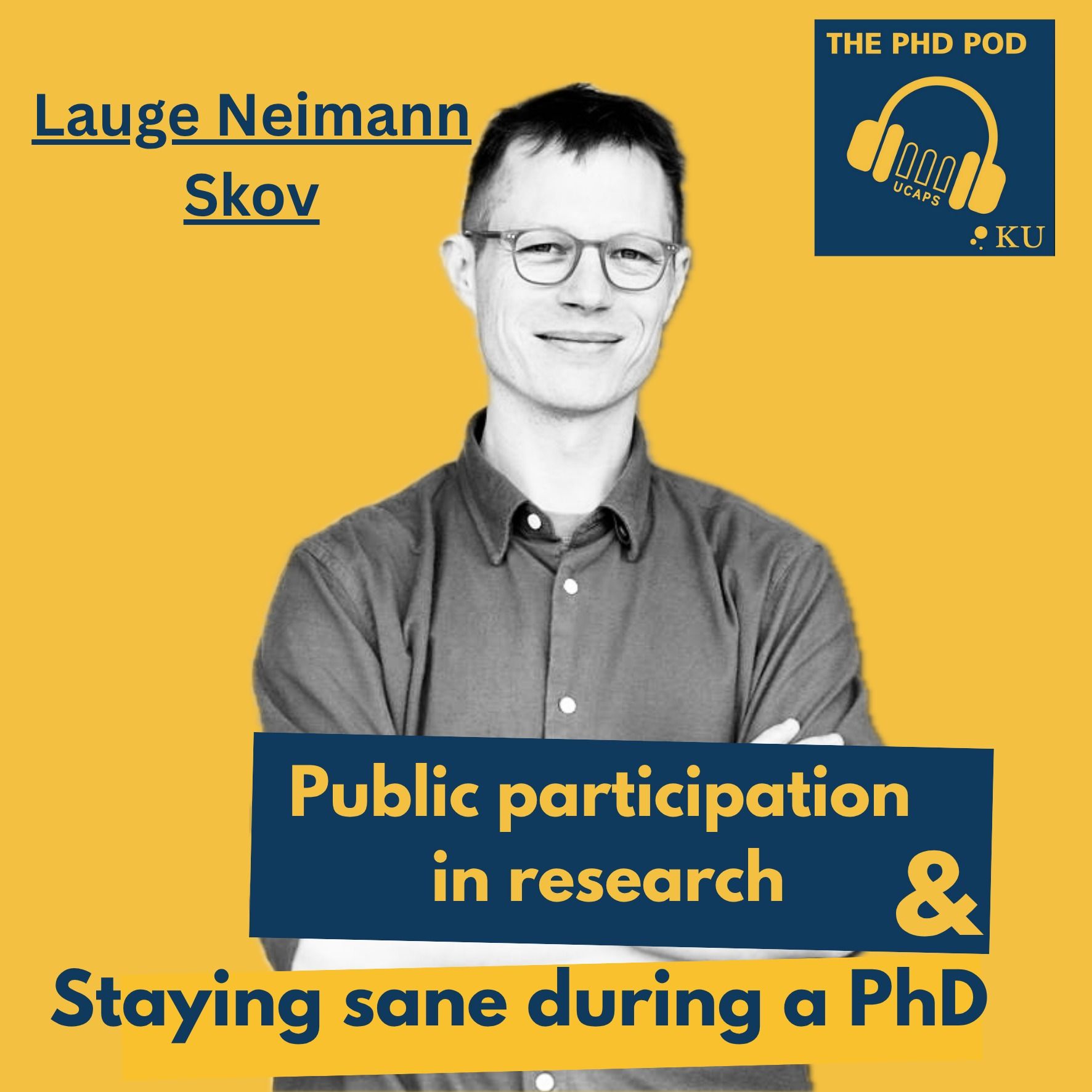
Public participation in research & Staying sane during a PhD
Why involve the general public in academic research? And if so, how can they be involved in meaningful ways? In this episode, Lauge tells us about his research on public involvement in research. Lauge explores how barriers can be removed and how the experience for both citizens and researchers can be improved. We also talk about Lauge’s personal journey to a PhD and how he sees it as a singular ex
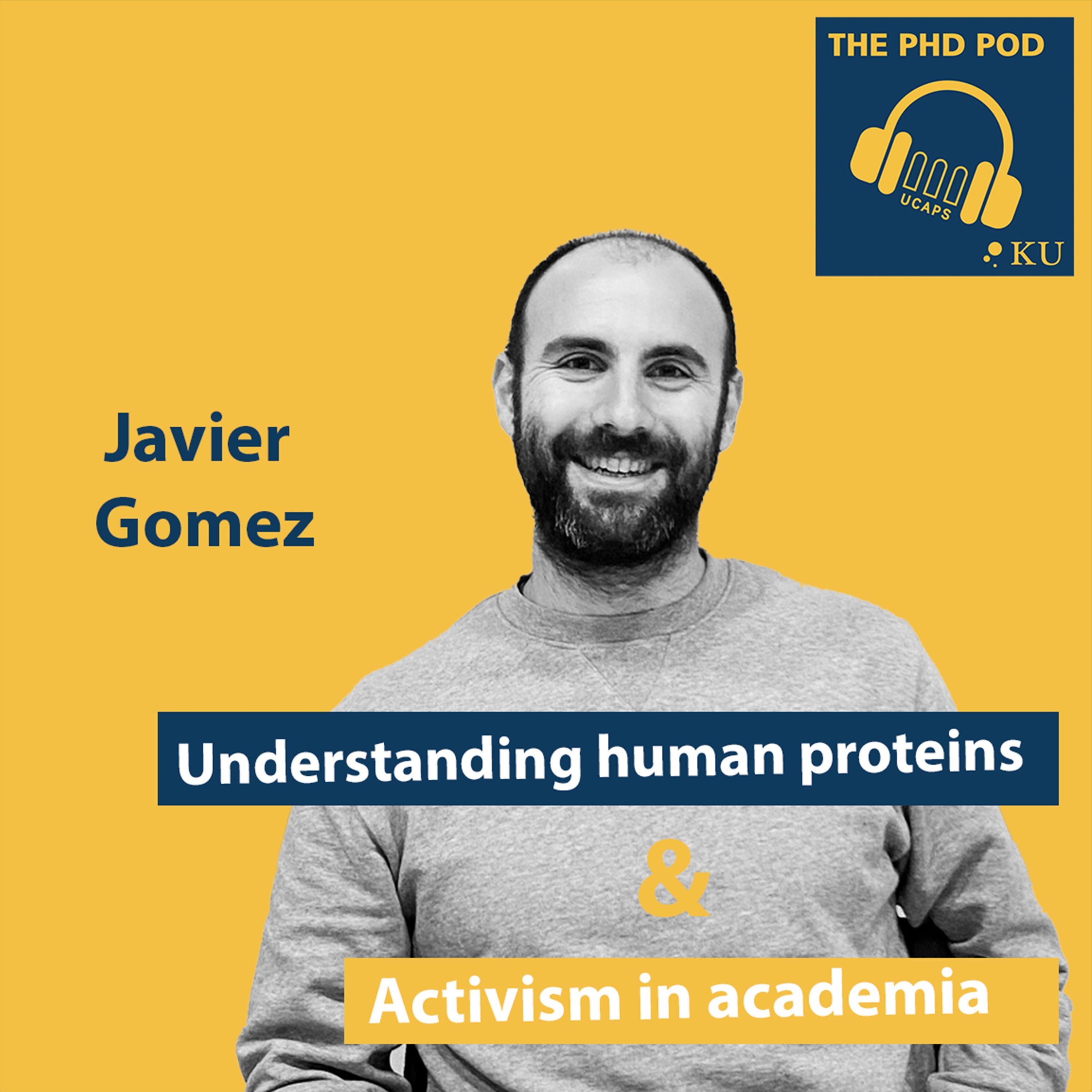
Understanding human proteins & the role of activism in academia
How do human cells administer and organise the proteins they produce? In this episode, recorded in November 2024, Javier tells us about his research with human proteins and how their lifespan, their location and even their function is influenced by a peculiar protein: ubiquitin. We also talk about the importance of activism in academia, and how students and researchers can make their voices heard.
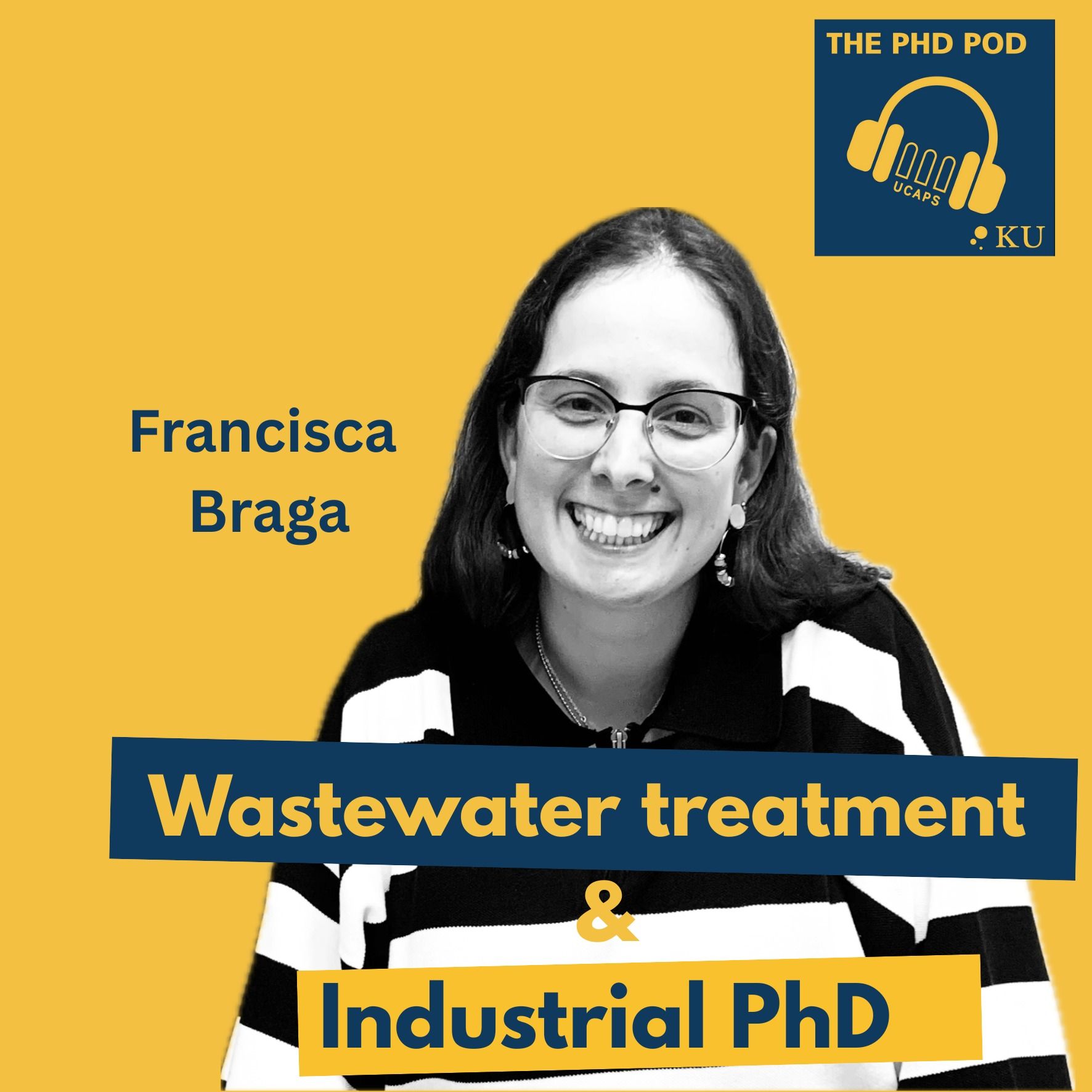
Advancing wastewater treatment & life as an industrial PhD student
What is wastewater treatment, and how can we make it better? In this episode, Francisca tells us about her research on wastewater treatment and how heat is recovered from it. She also shares her experience as an industrial PhD student, what her everyday looks like and why she thinks it is the best of two worlds.Francisca on LinkedinThis episode has been hosted by Miriam Beyers and Louise Morlot. T
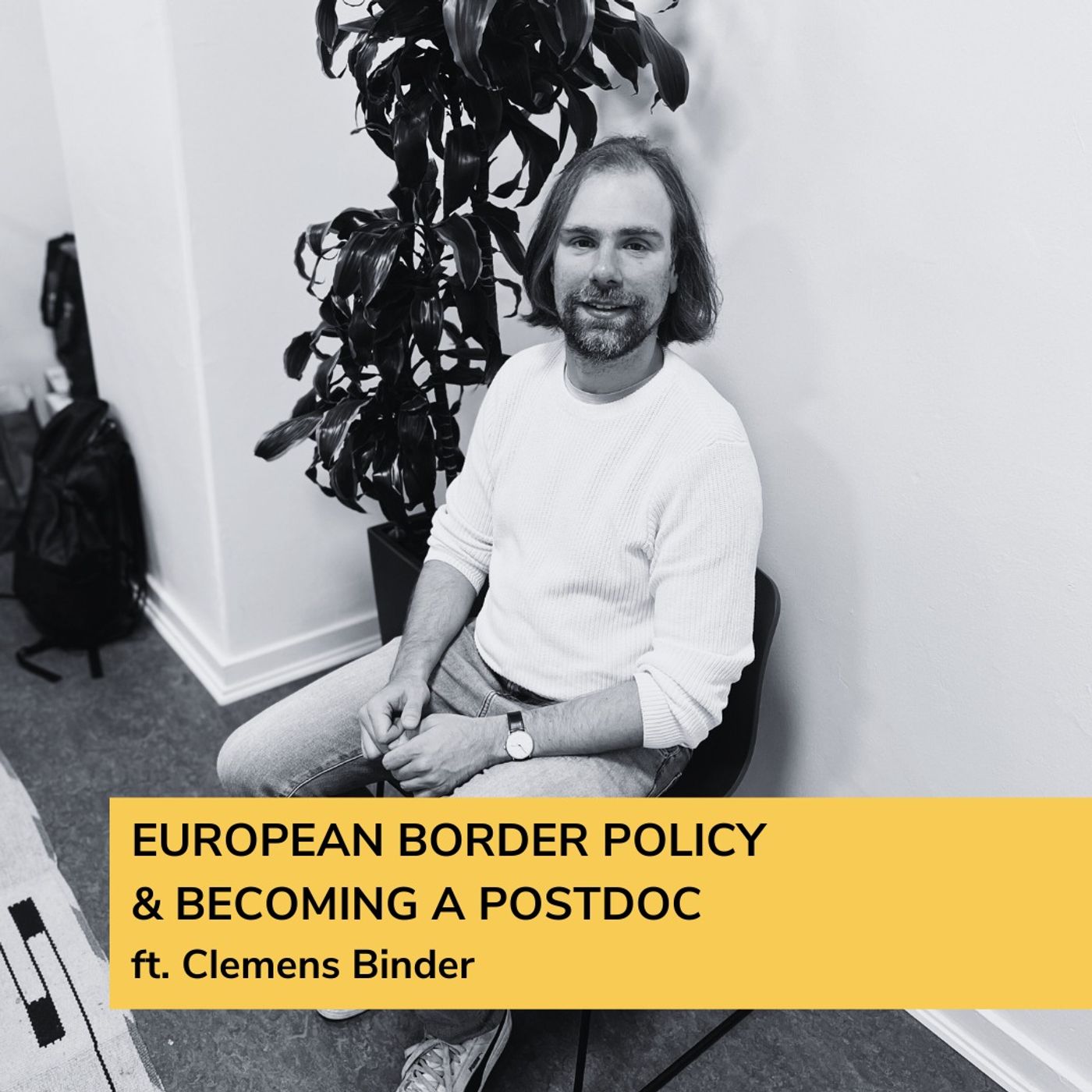
European border policy & becoming a Postdoc
What does digitalisation mean for EU-border policy? Together with our guest Clemens we try to dissect EU-policy, explore the complexities of border management and talk about the challenges and rewards of pursuing a Postdoc position in today's world.Clemens on Bluesky This episode has been hosted by Sebastian Zastruzny and Johanna Einsiedler. Editing and production by Franceen Eshun-Wilson and Dav
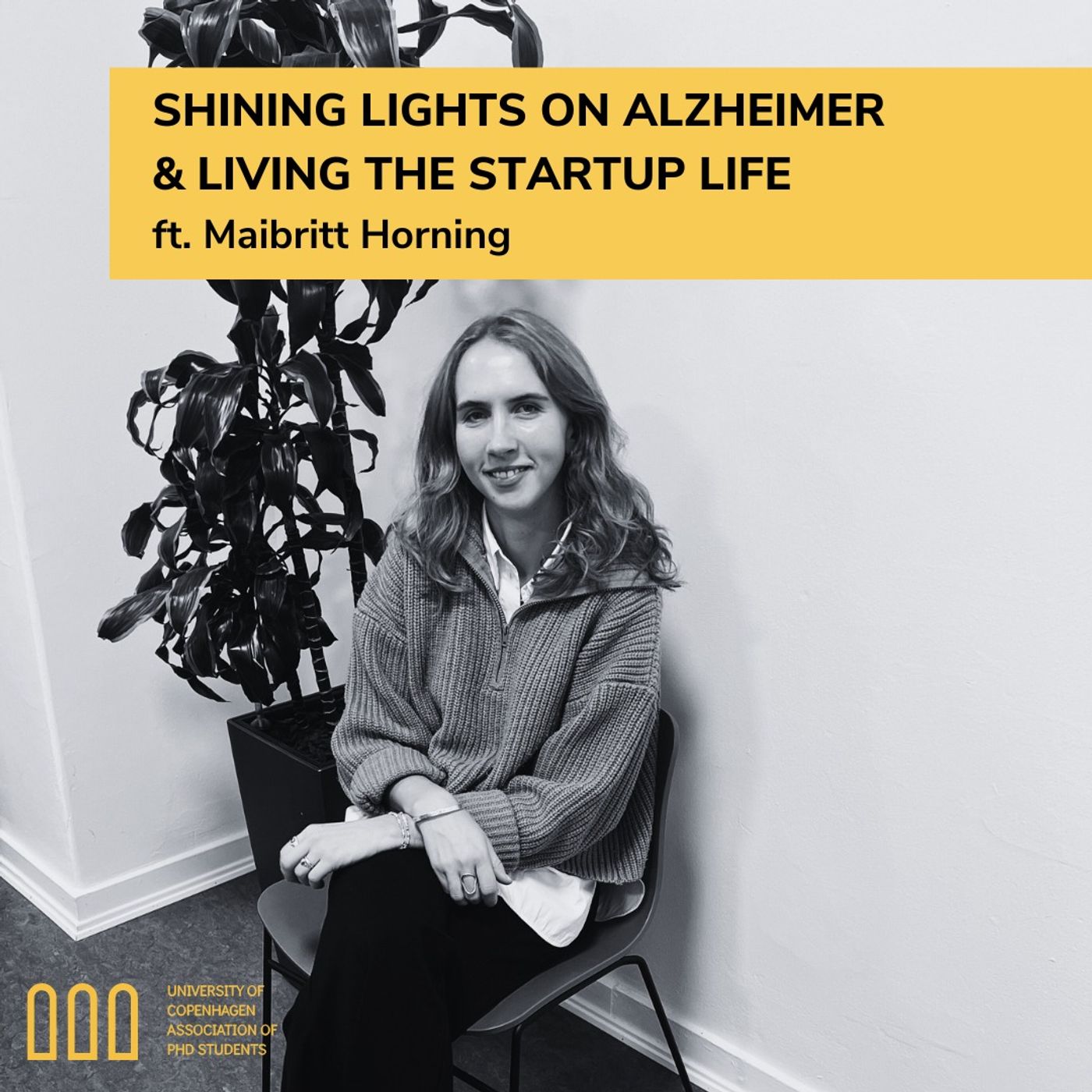
Shining light on Alzheimer & living the startup life
From “zapping” brains with light to juggling PhD life with startup vibes: In this episode Maibritt gives us insights into the research frontier in Alzheimer and shares her experience as an industrial PhD in growing startup. This episode has been hosted by Sebastian Zastruzny and Johanna Einsiedler. Editing and production by Franceen Eshun-Wilson and Davide Visintainer.More about UCAPS:UCAPS Homep
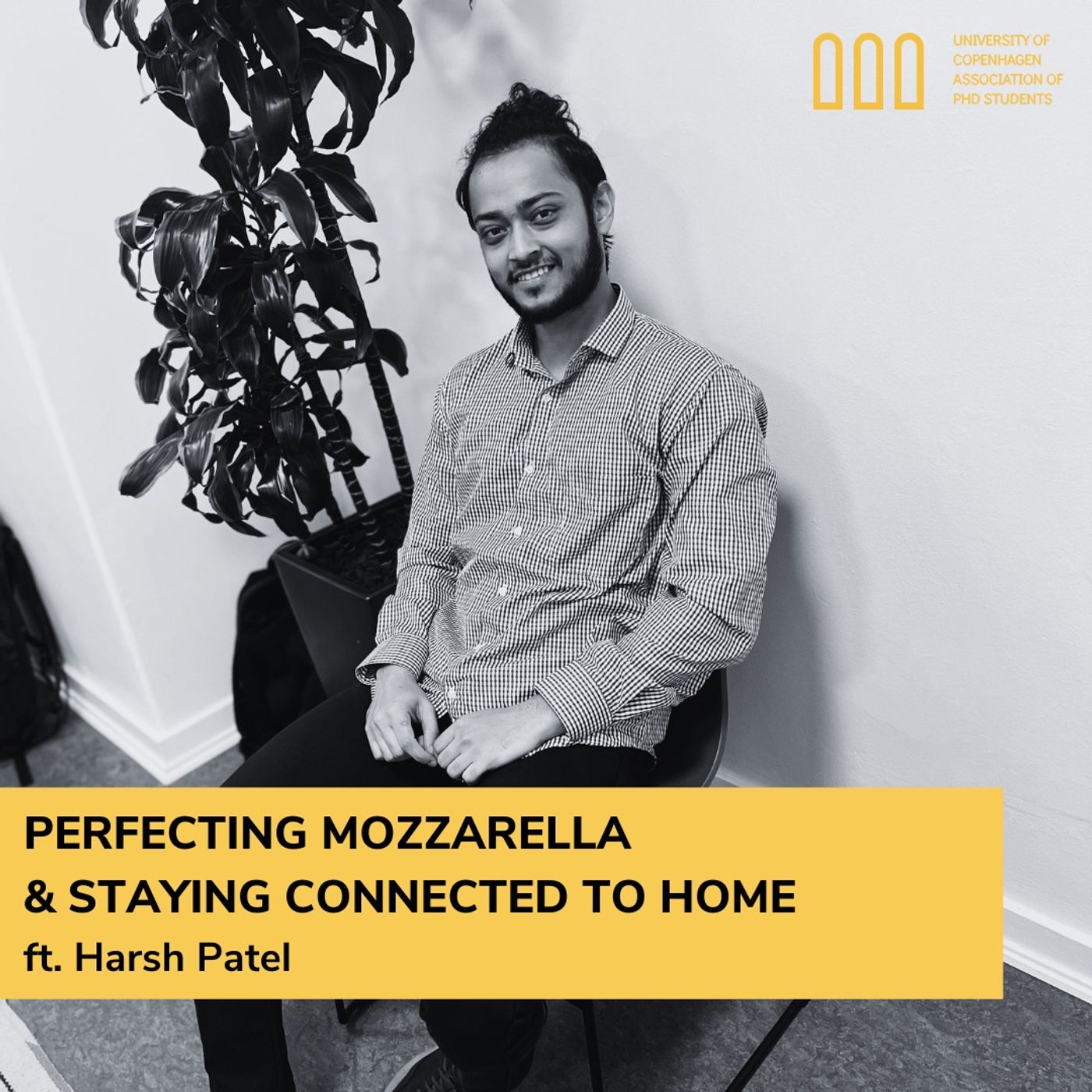
Perfecting mozzarella & staying connected to home
Harsh is a PhD student on a mission to revolutionize cheese production: from him, we hear how using methods like spectroscopy and chemometrics can help us making the perfect mozzarella. Apart from that we talk about the challenges of navigating cultural nuances of life in Denmark and how to stay connected to your home country. This episode has been hosted by Sebastian Zastruzny and Johanna Einsie
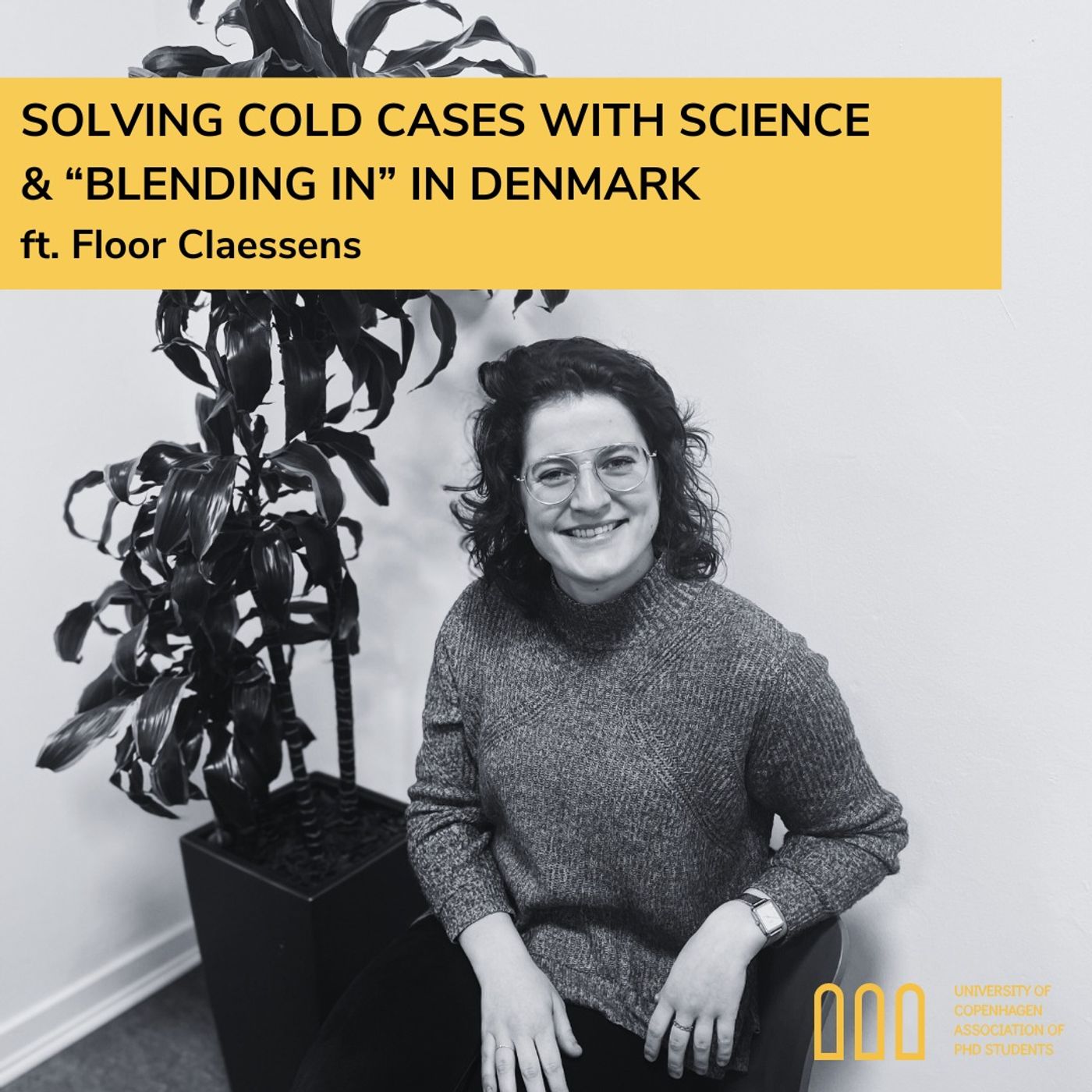
Solving cold cases with science & “blending in” in Denmark
Have you ever wondered how much of the DNA forensics you see on TV is actually true? In this episode we are debunking TV myths and learning about mitochondrial DNA & modern forensics. Also, our guest Floor shares some stories of her personal journey of adapting to Danish culture, language struggles, and culinary adventures.This episode has been hosted by Sebastian Zastruzny and Johanna Einsiedler
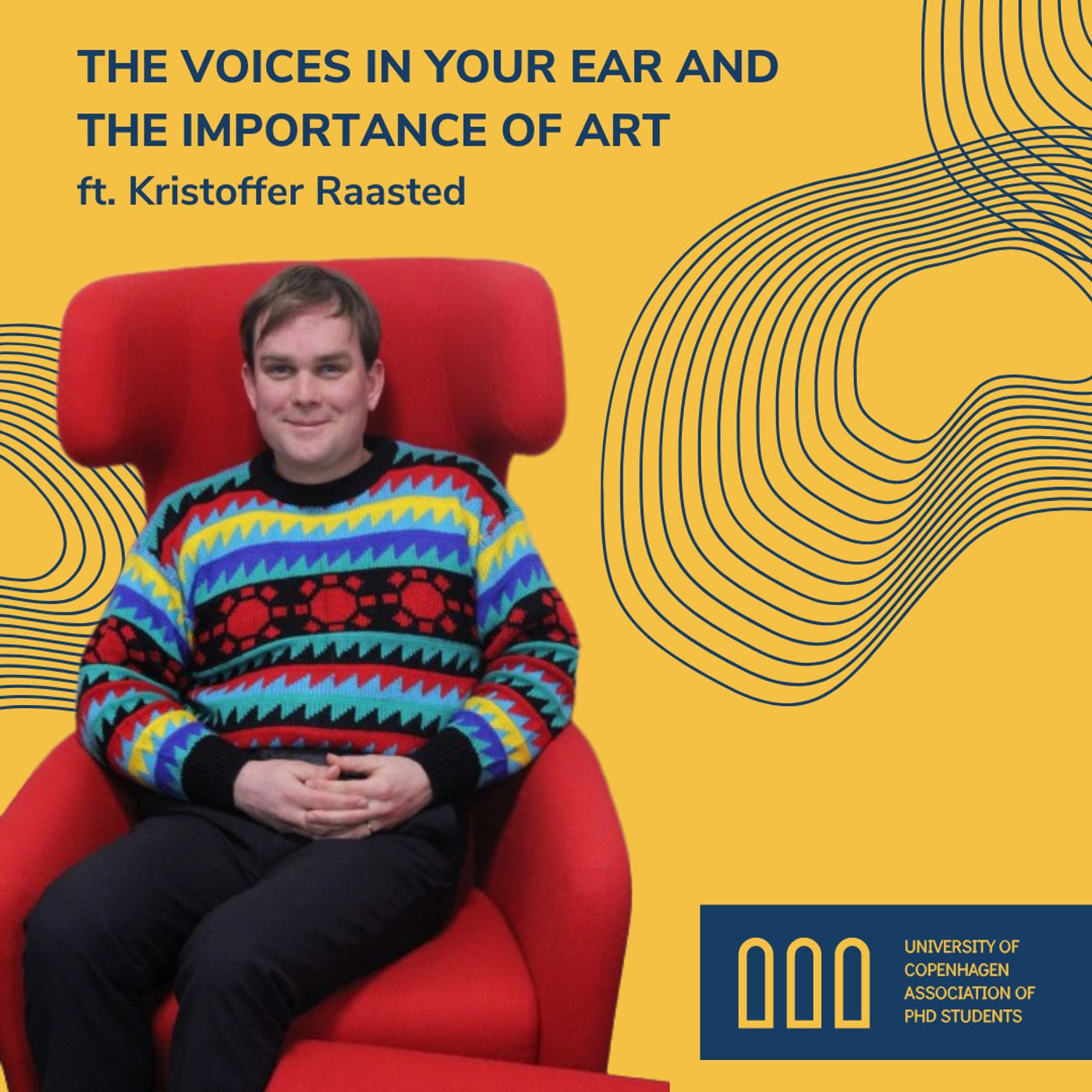
The voices in your ear and the importance of art
Podcasts have grown rapidly in recent years, but why are they so popular? Kristoffer is looking into this, with the creative view of an artist and the sharp eye of a researcher. Listen to hear what makes a good podcast and why art and science need each other.This episode has been hosted by Sebastian Zastruzny and Johanna Einsiedler. Editing by Franceen Eshun-Wilson, Melodie Schneider and Davide V
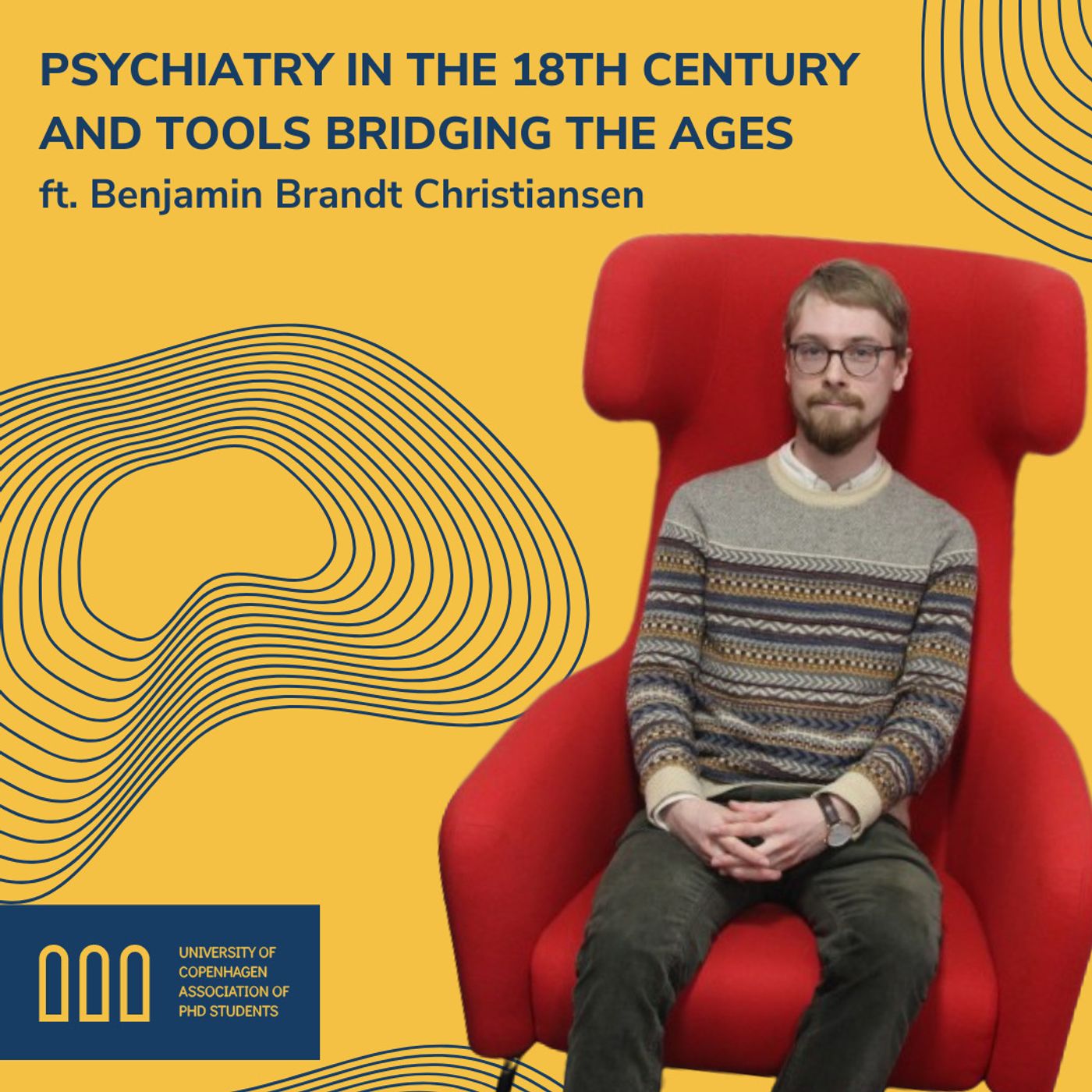
Psychiatry in the 18th century and tools bridging the ages
Treatment of mental illnesses is not just a modern day ambition. But approaches have changed in the last 300 years. Benjamin tells us the role of the church and how he uses modern technology to study old texts. Get to know what Fool’s Chests were and how AI changes Theology. This episode has been hosted by Sebastian Zastruzny and Johanna Einsiedler. Editing by Simon Ullrich. Production by Jennife
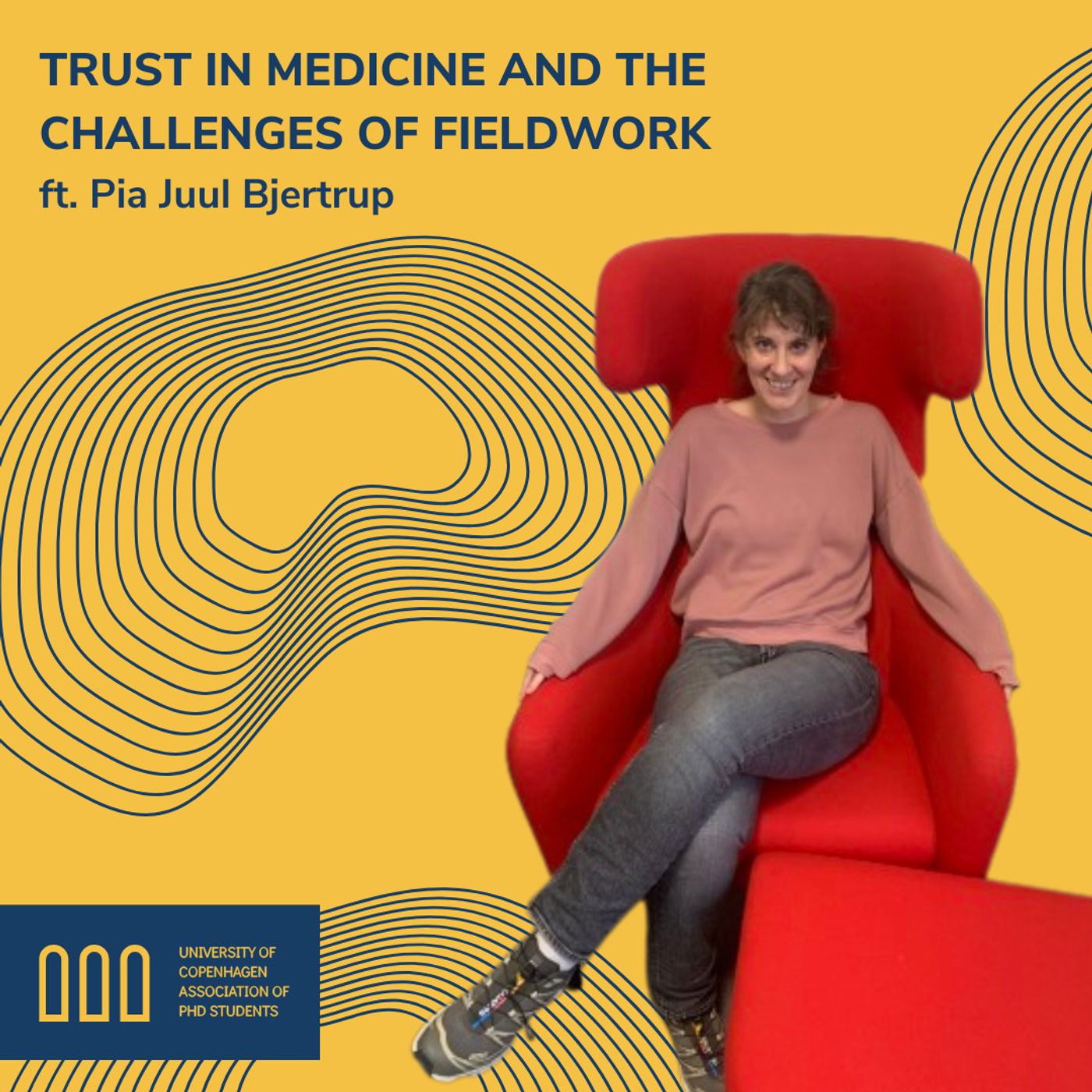
Trust in medicine and the challenges of fieldwork
What does it take for people to seek medical help? Pia has studied what drives people in Burkina Faso and where there are challenges by experiencing it firsthand. Hear about why people may not do as they are told, and why collecting data in the real world is hard. This episode has been hosted by Sebastian Zastruzny and Johanna Einsiedler. Editing by Simon Ullrich. Production by Jennifer Moussa a
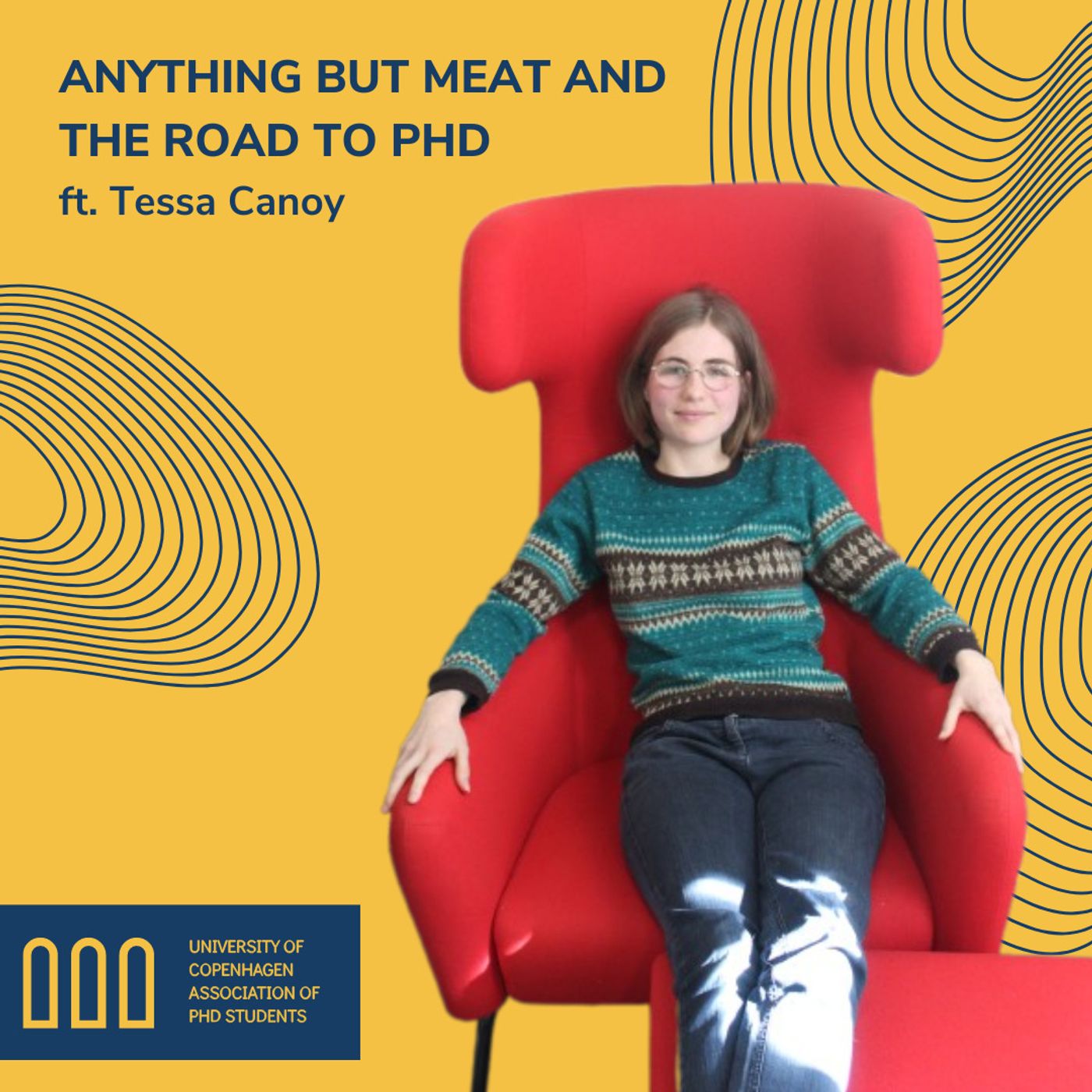
Anything but meat and the road to PhD ft. Tessa Canoy
Eating less meat is popular, but what can we eat instead and how do we improve the quality? And how does one get the chance to research this? Tessa will tell us what we could eat in the future and which steps lead up a PhD education.This episode has been hosted by Sebastian Zastruzny and Johanna Einsiedler. Editing by Simon Ullrich. Production by Jennifer Moussa and Penille Jensen.More about Tess
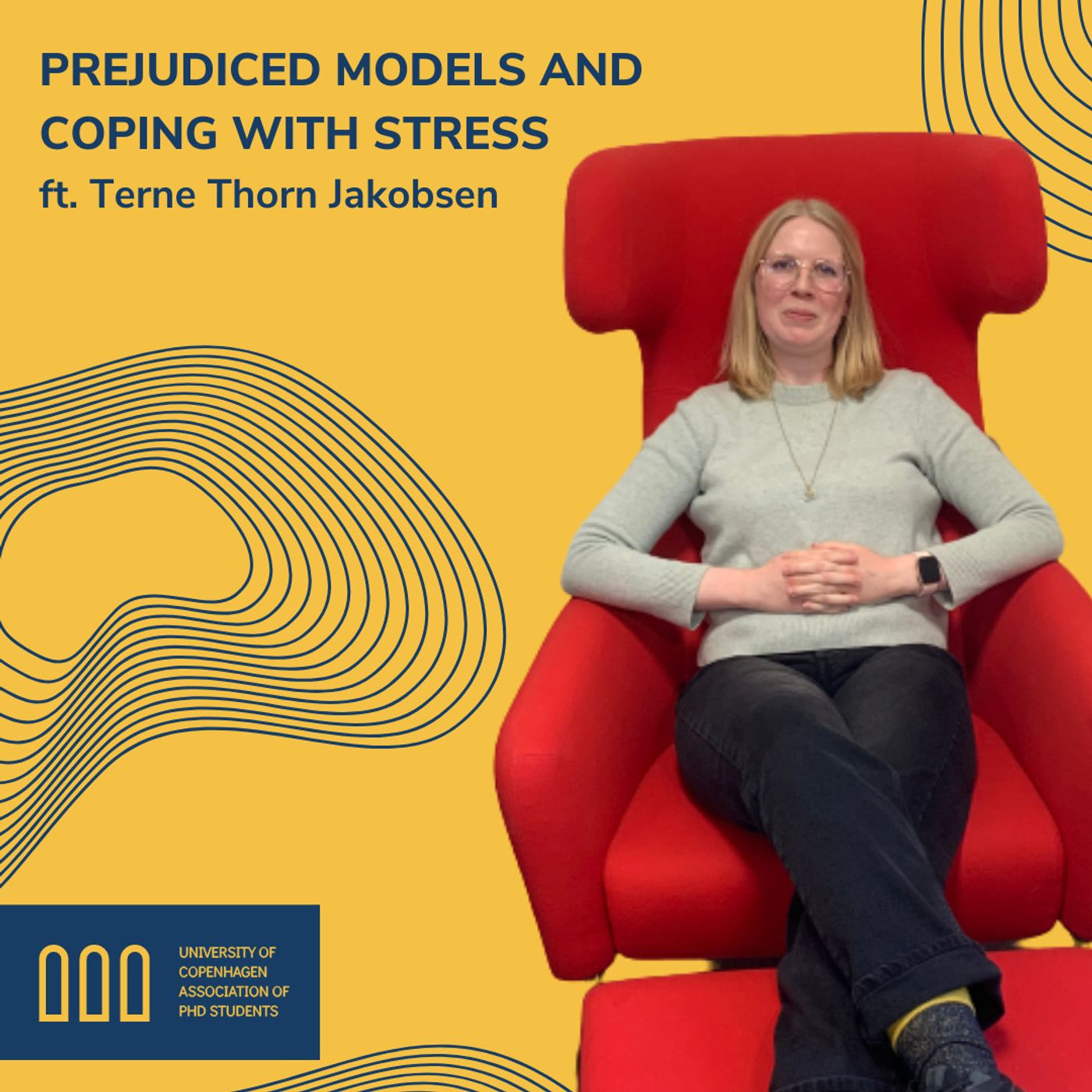
Prejudiced Models and Coping with Stress ft. Terne Sasha Thorn Jakobsen
With the advent of language models we realize that they come with certain biases. Terne tells us why this is problematic and how to balance your time while during a PhD. Tune in to hear how we improve language models and why hobbies are important. This episode has been hosted by Sebastian Zastruzny and Johanna Einsiedler. Editing by Simon Ullrich. Production by Jennifer Moussa and Penille Jensen
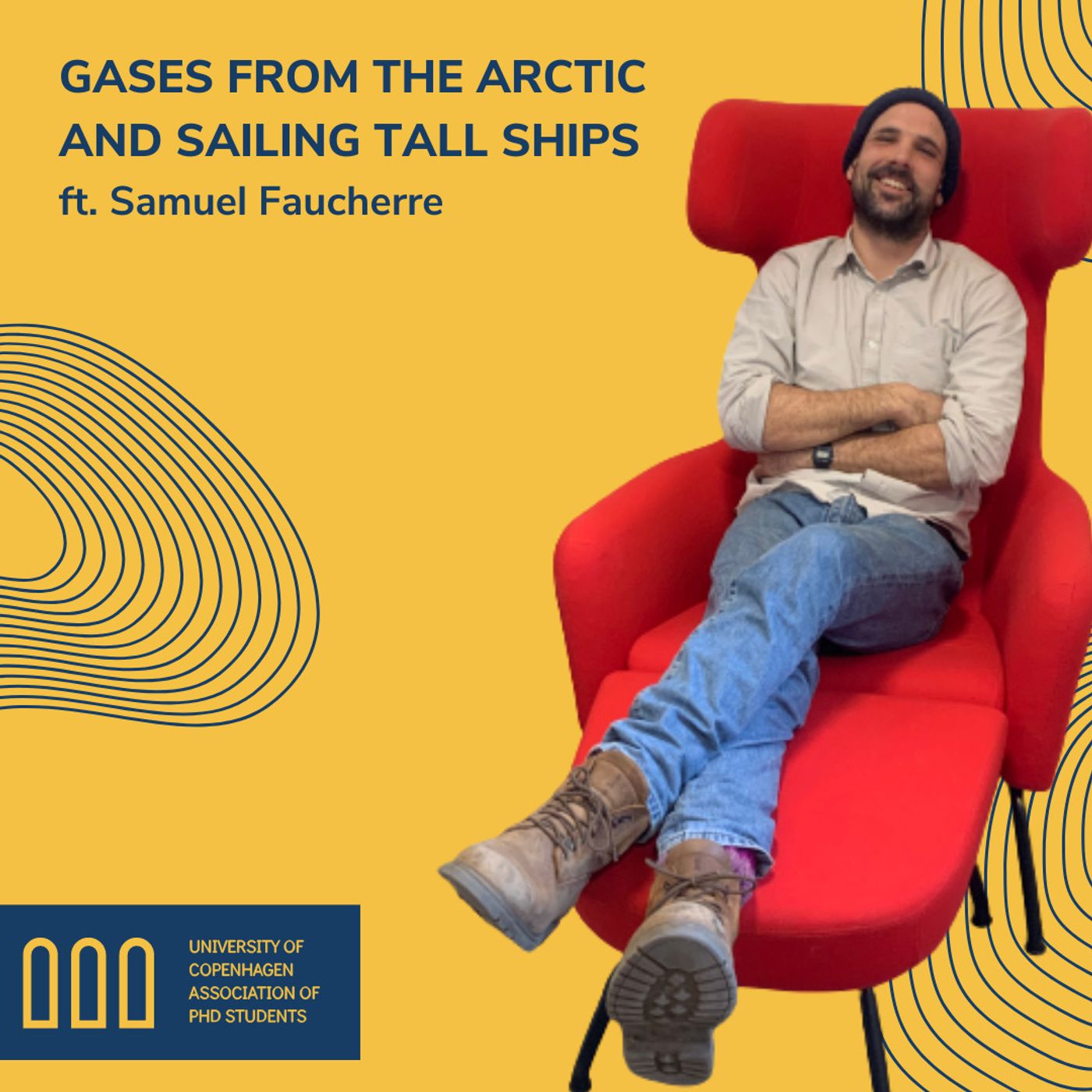
Gases from the Arctic and Sailing Tall Ships ft. Sam Faucherre
What happens to arctic soils when it is getting warmer? While Sam did his research on that topic he also bought and old freighter from 1932 and started renovating it. Learn about why the arctic matters to all of us and what plans Sam has for his ship. This episode has been hosted by Sebastian Zastruzny and Johanna Einsiedler. Editing by Simon Ullrich. Production by Jennifer Moussa and Penille Je